Find Your Northern Lights Spot in Norway, Sweden or Finland
Nobody can promise you the aurora, and you should be wary of anyone who does. What you can do is sleep somewhere with dark skies, a fair chance of clear weather and an easy way to move when cloud rolls in. This guide matches the best-known spots to exactly those three things.
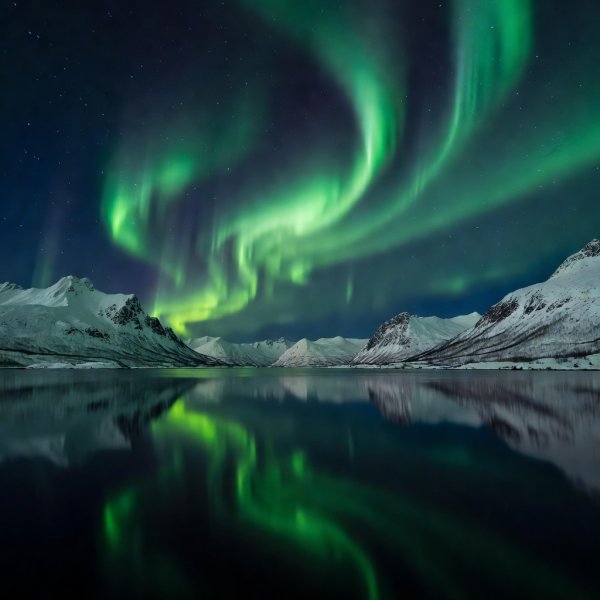
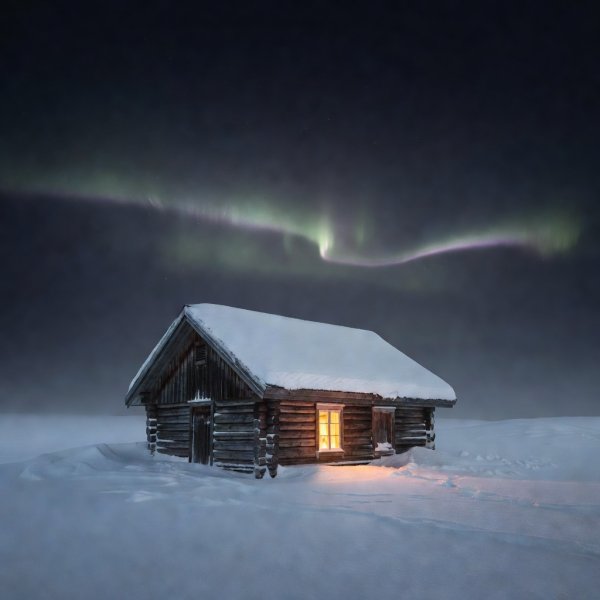
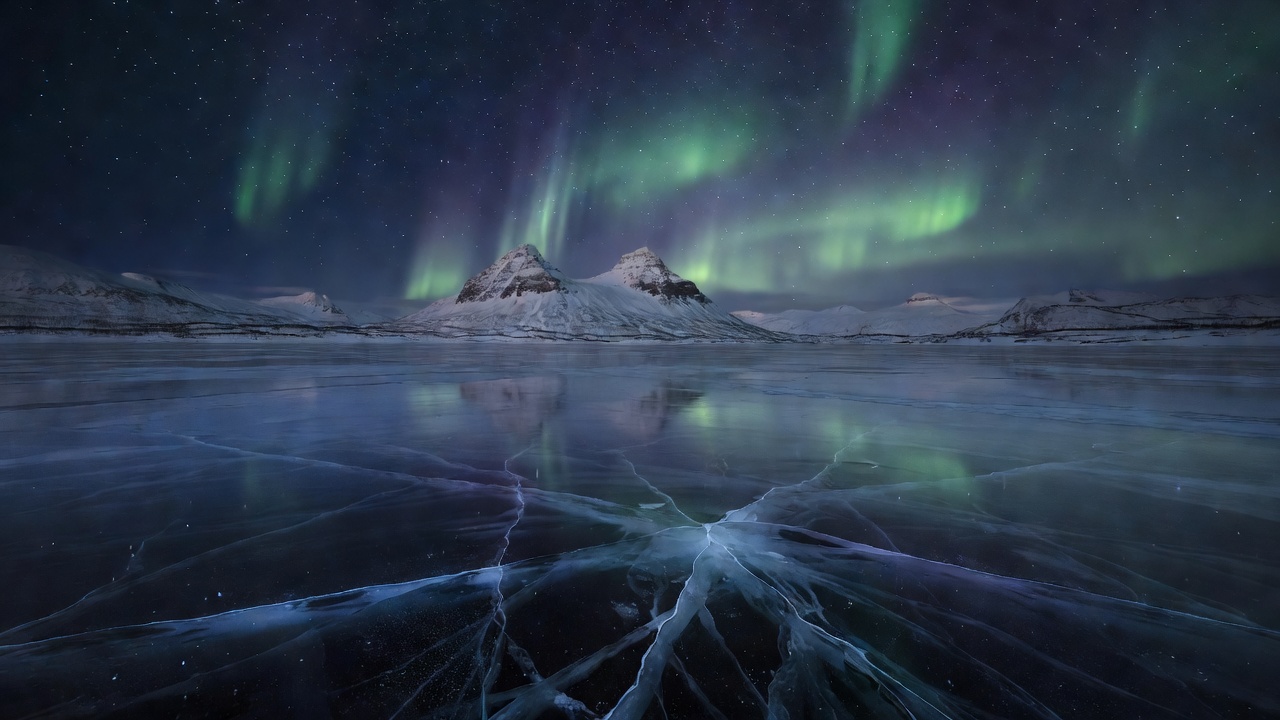
Abisko and the Blue Hole in the Clouds
Abisko sits on the southern shore of Torneträsk, a long frozen lake in the far north of Swedish Lapland. The mountains to the west catch much of the moist air drifting in from the Norwegian coast, so the sky above the village is often clearer than the sky a short distance away. Locals call that patch of open sky the blue hole.
It is not magic, and it does not work every night. But a reliable rain shadow, a village with very little light and a railway station on the line between Kiruna and Narvik make Abisko one of the calmest places for a first aurora trip.
- Dark skies: Step a few minutes from the station and the lake shore is almost completely dark.
- Cloud odds: Sheltered by mountains to the west; often clearer than the coast.
- Transport: Train via Kiruna, or the long night train from Stockholm.
Spots Worth the Long Night Drive
Nine bases that first-time visitors use again and again. Each line notes the three things that matter most: how dark it gets, how often cloud gets in the way, and how easily you can reach it in winter.
Tromsø, Norway
A lively Arctic city right under the auroral oval, with fjords and islands a short drive away.
Alta, Norway
Inland of the Finnmark coast, with steadier weather and a long history of aurora science.
Lofoten, Norway
Beaches and sharp peaks that make unforgettable foregrounds, if the Atlantic weather allows.
Kiruna, Sweden
Sweden's northernmost town, with an airport and the Icehotel at nearby Jukkasjärvi.
Abisko, Sweden
A tiny village by Torneträsk, known for its rain shadow and the Aurora Sky Station on Nuolja.
Saariselkä, Finland
A small resort at the edge of Urho Kekkonen National Park, with open fells a short walk away.
Levi, Finland
A large ski resort with plenty of beds; walk or drive beyond the slope lights for dark sky.
Kilpisjärvi, Finland
A remote village in the Finnish "arm" between Norway and Sweden, beneath Saana fell.
Rovaniemi, Finland
The easiest place in Lapland to reach, right by the Arctic Circle, though city lights mean you must head out.
When the Sky Plays Along
The aurora is out there all year, but you need darkness to see it. North of the Arctic Circle that means roughly September to March. The bars below show how much usable darkness each month tends to give you.
- Sep
Darkness returns. Lakes are still open, so you can catch reflections. Equinox weeks are often active.
- Oct
Longer nights, little snow yet. Coastal weather can be wet and unsettled.
- Nov
Snow settles inland. Polar night begins in Tromsø late in the month.
- Dec
The longest nights and busy holiday weeks. Short daylight limits sightseeing.
- Jan
Deep inland cold often brings still, clear nights. Polar night ends mid-month in Tromsø.
- Feb
Steadier weather and more daylight for travel. The Jokkmokk winter market fills the town.
- Mar
Equinox activity, bright snowy days and nights that are still properly dark.
Reading Kp and Cloud Like a Local
Visitors tend to stare at the Kp index. Locals look at the cloud map first. In the far north of all three countries you sit under the auroral oval, so even a modest Kp of 2 or 3 can give a show. A perfect Kp under thick cloud gives you nothing at all.
Use the space-weather forecast to decide how late to stay up, and the cloud forecast to decide where to go. Then accept that the aurora comes and goes in waves. Patience is part of the trip.
- Check cloud cover in the afternoon. Look at the hourly cloud layers for your base and for places an hour away.
- Glance at the aurora forecast. A higher Kp or a southward magnetic field is a bonus, not a requirement.
- Pick a dark spot you saw by daylight. Know where to park safely and where the ice is safe.
- Be outside from about 21:00. Many displays peak late evening, but stay flexible.
- Give it time. Wait at least an hour, warm up, then look again.
Choose a Base by Country
All three countries reach well under the auroral oval. The real differences are weather, roads and how far you have to travel for darkness.
| Factor | Norway (coast) | Sweden (inland Lapland) | Finland (Lapland fells) |
|---|---|---|---|
| Main bases | Tromsø, Alta, Lofoten, Senja | Abisko, Kiruna, Jokkmokk | Saariselkä, Inari, Levi, Kilpisjärvi, Rovaniemi |
| Winter weather | Milder and wetter, changes fast | Colder, often drier east of the mountains | Cold and continental, many still nights |
| Dark skies | Easy outside towns, but fjords limit road options | Very dark around Abisko and Torneträsk | Wide forests and fells with few lights |
| Getting there | Flights to Tromsø, Alta, Evenes, Leknes | Flights to Kiruna, trains on the Ore Line to Abisko | Flights to Ivalo, Kittilä, Rovaniemi; night train |
| Plan B if cloudy | Drive inland toward Skibotn or Finland | Move along the lake toward the border | Short drives on a flatter road network |
| Best for | Aurora over sea, peaks and beaches | Good odds from one quiet base | Calm cold nights, cabins and forest |
Before You Pack
The three questions first-timers ask most. The full list is on our FAQ page.
How many nights should I plan?
Plan at least three to four nights in one area, ideally more. Weather systems often last a day or two, so extra nights give you more chances at a clear sky.
Do I need a tour?
No. A tour helps if you will not drive on snowy roads, because guides chase clear sky for you. If you have a car and winter experience, you can go out on your own.
How cold will it be?
The coast of Norway often hovers a little below freezing. Inland Sweden and Finland can drop to −20 °C or lower. Dress in layers, with warm boots, mittens and a hat.
The People Behind the Map
Wavesnordjlt is a small, independent project written by people who have spent many cold nights watching northern skies. We are not a tour company and we sell nothing. We simply explain which places give you the best odds and why, so you can plan with clear expectations.